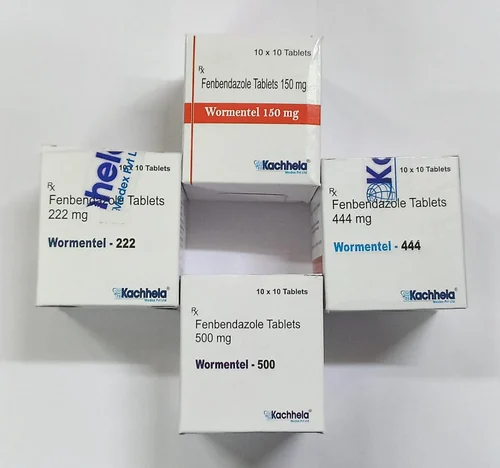
| Brand Name: | Wormental |
| Generic Name: | Fenbendazole |
| Manufacturer Name: | Kachhela Medex Private Limited |
| Form: | Tablet |
| Packaging: | 10 Tablets in 1 strip |
| Nature: | Anthelmintic |
Parasites are one of the most common health threats affecting pets and farm animals. Dogs, cats, and livestock can easily become infected with internal parasites through contaminated soil, food, water, or contact with infected animals. These parasites can live inside the digestive system and slowly affect the animal’s overall health.
To manage these infections, veterinarians commonly use medications known as dewormers. These medicines are specifically designed to eliminate worms and other parasites from the body.
One of the most widely used deworming medications in veterinary medicine is Fenbendazole. It is known for its ability to treat multiple types of intestinal parasites in animals and is often recommended by veterinarians as part of routine parasite control programs.
Fenbendazole works by disrupting the parasite’s ability to absorb nutrients. Without access to energy sources, the parasites weaken and eventually die, allowing the animal’s body to remove them naturally.
This guide explains how fenbendazole works, what parasites it treats, how it is used in animals, safety precautions, and other important information for pet owners.
Understanding Fenbendazole
Fenbendazole is an anthelmintic medication used to treat worm infections in animals. It belongs to the benzimidazole class of drugs, which are commonly used in veterinary medicine for parasite control.
Parasitic worms live inside the digestive tract of animals and feed on nutrients from the host. Over time, this can lead to several health problems, including poor growth, digestive issues, and weakness.
Fenbendazole targets these parasites by disrupting their internal cellular processes. As a result, the parasites lose their ability to survive inside the host.
The medication has been widely used for many years and is considered effective against several common intestinal worms.
Why Parasite Control Is Important for Pets
Many pet owners underestimate the impact that parasites can have on an animal’s health. While some infections may appear mild at first, untreated parasites can lead to serious complications.
Parasites may cause:
- digestive problems
- nutritional deficiencies
- anemia
- weakened immune system
- delayed growth in young animals
Routine parasite control helps prevent these problems and ensures that pets remain healthy and active.
Veterinarians often recommend regular deworming as part of preventive healthcare for pets.
Fenbendazole 150 – Fenbendazole 222 – Fenbendazole 444 – Fenbendazole 500
Types of Parasites Treated with Fenbendazole
Fenbendazole is known as a broad-spectrum dewormer, meaning it can eliminate several different types of parasites.
Roundworms
Roundworms are among the most common intestinal parasites found in dogs and cats. These worms live inside the digestive system and absorb nutrients from the host.
Pets infected with roundworms may develop symptoms such as:
- swollen abdomen
- diarrhea
- vomiting
- weight loss
Fenbendazole is commonly used to eliminate roundworm infections.
Hookworms
Hookworms attach themselves to the intestinal wall and feed on blood. This can cause anemia and weakness in infected animals.
Fenbendazole helps remove hookworms and protect the intestinal health of the animal.
Whipworms
Whipworms infect the large intestine and may cause chronic digestive problems.
Symptoms may include:
- persistent diarrhea
- dehydration
- weight loss
Fenbendazole is frequently used to treat whipworm infections in dogs.
Certain Tapeworms
Fenbendazole may also be effective against some species of tapeworms depending on the infection.
Veterinarians typically confirm the type of parasite before recommending treatment.
How Fenbendazole Eliminates Parasites
Fenbendazole works by interfering with the metabolic processes of parasites.
Parasites rely on glucose to generate energy for survival. Fenbendazole blocks the parasite’s ability to absorb and utilize glucose.
This process leads to:
- loss of energy
- disruption of parasite growth
- inability to reproduce
Over time, the parasite dies and is eliminated through the digestive system.
Because fenbendazole primarily targets parasite cells rather than host cells, it is considered relatively safe when used properly.
Animals That Commonly Receive Fenbendazole
Fenbendazole is widely used in veterinary medicine for various types of animals.
These include:
- dogs
- cats
- horses
- cattle
- goats
- sheep
Each species requires a specific dosage based on body weight and the type of parasite infection.
For household pets, veterinarians often include fenbendazole in routine deworming schedules.
Warning Signs of Worm Infections in Pets
Recognizing early symptoms of parasite infections can help pet owners seek treatment quickly.
Common signs include:
- diarrhea
- vomiting
- loss of appetite
- weight loss
- dull or rough coat
- swollen belly
In some cases, worms may also be visible in the pet’s stool.
If these symptoms appear, veterinary examination is recommended.
How Fenbendazole Is Usually Given
Fenbendazole is available in several forms, making it easier to administer to animals.
These include:
- tablets
- granules
- powders
- liquid suspensions
The medication is often mixed with food so that the animal consumes it easily.
Treatment is typically given over several consecutive days depending on the parasite infection.
Dosage Considerations
The correct dosage of fenbendazole depends on several factors.
Veterinarians usually determine dosage based on:
- the animal’s body weight
- type of parasite infection
- age of the animal
- overall health condition
Completing the full treatment course is important to ensure that all parasites are eliminated.
Stopping treatment early may allow some parasites to survive.
Possible Side Effects
Fenbendazole is generally well tolerated by most animals.
However, some animals may experience mild side effects, including:
- temporary diarrhea
- vomiting
- reduced appetite
These symptoms are usually short-lived and disappear once treatment is completed.
Serious side effects are uncommon but should be reported to a veterinarian.
Safety Tips for Pet Owners
When using parasite treatments, responsible medication use is important.
Pet owners should follow these guidelines:
Consult a veterinarian first
A veterinarian should confirm the parasite infection before treatment begins.
Follow the correct dosage
Dosage should be calculated according to the animal’s body weight.
Monitor the pet after treatment
Pet owners should watch for unusual symptoms during the treatment period.
Preventing Parasites in Pets
Prevention is often easier than treating parasite infections.
Pet owners can reduce the risk of infection by following these steps:
- maintaining clean living environments
- preventing pets from eating contaminated food
- regular veterinary checkups
- routine deworming programs
These preventive measures help protect pets from many parasite-related diseases.
The Role of Deworming in Pet Healthcare
Deworming is an important part of maintaining long-term pet health.
Young animals are particularly vulnerable to parasite infections because their immune systems are still developing.
Regular deworming helps:
- protect pets from parasites
- support healthy growth
- prevent transmission of parasites to other animals
Veterinarians often recommend scheduled parasite control programs for pets.
Conclusion
Fenbendazole is a widely used veterinary medication that helps eliminate several types of intestinal parasites in animals. By disrupting the parasite’s ability to absorb nutrients, the medicine effectively removes worms from the digestive system.
When used under veterinary guidance, fenbendazole can play an important role in maintaining the health of pets and livestock.
However, correct dosage, proper diagnosis, and regular veterinary care are essential for safe and effective treatment.
Routine parasite prevention remains one of the most important aspects of responsible pet ownership.
FAQs
What is fenbendazole used for?
Fenbendazole is used to treat intestinal worm infections in animals such as dogs, cats, and livestock.
What worms does fenbendazole treat?
Fenbendazole treats parasites including roundworms, hookworms, whipworms, and some tapeworm species.
Is fenbendazole safe for dogs?
Fenbendazole is generally safe for dogs when used at the correct dosage recommended by a veterinarian.
How long does fenbendazole take to work?
Fenbendazole begins affecting parasites quickly, but full elimination may take several days.
Can puppies take fenbendazole?
Yes, puppies may receive fenbendazole under veterinary supervision for worm treatment.
How often should dogs be dewormed?
Veterinarians often recommend deworming dogs every few months depending on risk factors.
What are the side effects of fenbendazole?
Possible side effects include mild diarrhea, vomiting, or temporary loss of appetite.
Do I need a veterinarian before using fenbendazole?
Yes, a veterinarian should confirm the infection and recommend the correct treatment.
Goodrxusa, iverheal, Vidalistausa, cenforces, cenforceshop, Cenforce California, Cenforce us, Cenforce 200, Vidalista 20, Vidalista Tab, Modafinil USA, Fenbendazole USA, Iverheal USA